 Jul 21, 2026 - 0
Minutes read
Jul 21, 2026 - 0
Minutes read
Best Blenders: (Types, Features & Buying Guide)
How to Choose the Best Blender: Types & Features
How to Choose the Best Blender (Types, Features & Buying Guide)
Choosing the best blender depends on what you plan to blend, how often you'll use it, and your budget. Countertop blenders suit heavy-duty tasks, personal blenders work best for single servings, and high-performance models handle everything from frozen fruit to hot soups. Match wattage, blade quality, and capacity to your needs before buying.
Picking the wrong blender is a surprisingly common mistake—and an expensive one. You bring it home, try to crush some ice or blend a thick green smoothie, and suddenly you're staring at a motor that smells like burnt plastic. The right blender, on the other hand, makes meal prep faster, easier, and honestly, a little more enjoyable.
This guide covers everything you need to make a confident decision: the different types of blenders available, the key features that actually matter, how to match a blender to your cooking habits, and how to keep it running for years. By the end, you'll know exactly what to look for—and what to skip.
Why Choosing the Right Blender Matters
A blender is one of those kitchen appliances that looks simple on the surface. Motor, blades, jar. How complicated can it be? Quite a bit, as it turns out.
Blenders vary enormously in power, build quality, and intended use. A $40 personal blender is designed for quick protein shakes—not for pulverizing frozen fruit, grinding nuts, or making silky-smooth hummus. Push a low-powered motor too hard, and you'll burn it out within months. Buy an overpowered commercial-grade machine when all you need is a morning smoothie, and you're paying for capability you'll never use.
Getting this decision right also affects your safety. Blenders with poor blade locks or unstable bases can be hazardous, especially when handling hot liquids. Quality construction matters, and understanding what separates a reliable blender from a risky one is worth a few minutes of your time.
Types of Blenders Explained
What is a countertop blender, and who is it best for?
Countertop blenders are the classic, full-sized models you'll find in most kitchens. They sit on your counter with a large pitcher (usually 48–72 oz) and handle a wide range of tasks: smoothies, soups, sauces, and batters. Most countertop models range from 500 to 1,200 watts, making them significantly more powerful than compact options.
Countertop blenders are a great fit for families, home cooks who blend regularly, and anyone who needs to prepare larger quantities at once.
What is a personal blender, and when should you choose one?
Personal blenders—think NutriBullet or Magic Bullet—are compact, single-serve machines. They typically blend directly into a travel cup, making them convenient for on-the-go smoothies and protein shakes. Power usually sits between 200 and 900 watts.
Choose a personal blender if you live alone, have limited counter space, or primarily blend soft fruits and vegetables. They're not built for heavy-duty tasks like crushing large amounts of ice or blending hot liquids.
What is an immersion blender, and what are its advantages?
An immersion blender (also called a stick or hand blender) is a handheld device you submerge directly into a pot or bowl. It's perfect for blending soups, sauces, and purees without transferring hot liquid to a separate container—which reduces both mess and the risk of burns.
Immersion blenders are more affordable than countertop models and easier to store. The trade-off is that they're less powerful and not suitable for tasks that require high-speed blending, like crushing ice.
What is a high-performance blender, and is it worth the price?
High-performance blenders—Vitamix, Blendtec, and Ninja's professional lines—operate at 1,200 watts or more. These machines can handle virtually anything: whole frozen fruits, raw nuts, fibrous greens, and even hot soups made entirely in the blender using friction heat.
They're worth the investment for serious home cooks, health-focused households, or small food businesses. If you're blending daily and want results that rival commercial-grade equipment, a high-performance blender pays for itself over time.
Key Features to Look for When Buying a Blender
How much power (wattage) does a good blender need?
Power determines what a blender can handle. For basic smoothies and soft ingredients, 500–700 watts is sufficient. For crushing ice, frozen fruit, or dense vegetables, aim for at least 900–1,000 watts. High-performance blenders at 1,200–1,800 watts are ideal for daily heavy-duty use.
More wattage doesn't always mean better performance—blade design and motor efficiency matter too. But as a general rule, don't buy underpowered for the tasks you have in mind.
What type of blades should a blender have?
Stainless steel blades are the standard for durability and hygiene. Look for blades that are thick, multi-tiered, and firmly secured to the base—loose blades are both a safety hazard and a performance issue.
Some blenders include specialized blades for specific tasks: cross-blade configurations for general blending, flat blades for grinding dry ingredients, and serrated edges for breaking down fibrous produce. If you plan to use your blender for multiple purposes, a model with interchangeable blade options is worth considering.
How does blender capacity affect what you can make?
Capacity is measured in ounces or liters and determines how much you can blend in a single batch. Personal blenders typically hold 20–32 oz. Standard countertop models range from 48–64 oz. High-performance blenders can hold up to 72 oz or more.
If you regularly cook for four or more people, prioritize a larger capacity. For solo use, a smaller jar means less waste, easier cleaning, and a more compact footprint on your counter.
What speed settings and programs should a blender have?
Variable speed controls give you more precision than simple low/medium/high switches. The ability to start slow and gradually increase speed prevents ingredients from splashing and ensures smoother results.
Preset programs—like "smoothie," "soup," or "ice crush"—are genuinely useful for beginners. They take the guesswork out of blending times and speeds for common tasks. Some high-end models also include pulse functions, which give you short bursts of power for chopping tasks or loosening stuck ingredients.
Best Blender Uses: Smoothies, Soups, Sauces, Ice Crushing & More
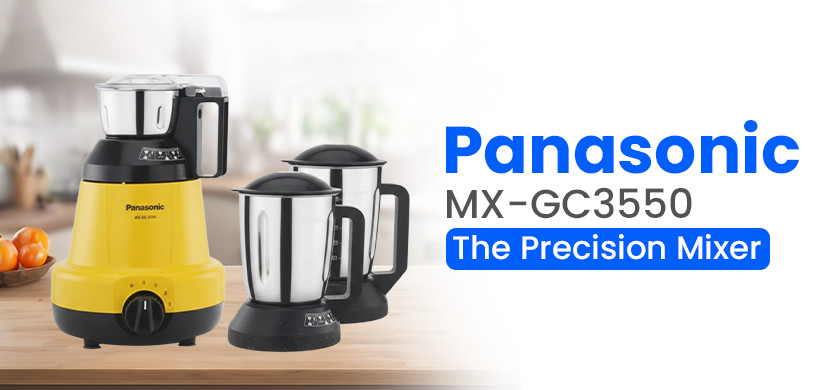
A quality blender isn't a single-purpose machine. Here's what different types can handle:
- Smoothies and protein shakes: Any blender with 500+ watts handles soft fruit blends. For frozen fruit or leafy greens, aim for 900+ watts.
- Hot soups: Countertop and high-performance blenders work well. If pouring hot liquid into the jar, never fill it more than halfway and always hold the lid down firmly. Immersion blenders are the safest option for hot soups.
- Sauces and dips: Most blenders handle this easily. For ultra-smooth hummus or nut butters, high-performance models deliver noticeably better texture.
- Crushing ice: Requires a minimum of 700–900 watts and sturdy stainless steel blades. High-performance models crush ice in seconds.
- Grinding grains and nuts: Only high-performance blenders or models with dry-grinding blade attachments are suitable for this.
How to Maintain and Clean Your Blender for Longer Life
Proper maintenance extends the life of your blender significantly—and protects both your food and your investment.
Clean it immediately after use. Letting food dry inside the jar makes it much harder to clean and can lead to bacterial growth. The easiest method: fill the jar halfway with warm water, add a drop of dish soap, and run the blender for 30–60 seconds. Rinse thoroughly and allow to air dry.
Avoid submerging the base in water. The motor housing should never be immersed. Wipe it down with a damp cloth only.
Inspect the blades regularly. Check for dullness, rust, or loosening. Dull blades force the motor to work harder, reducing its lifespan. Many manufacturers sell replacement blade assemblies, which is far cheaper than replacing the whole unit.
Don't overfill the jar. Filling above the maximum line strains the motor and can cause leaks. When blending hot liquids, fill to no more than half capacity to allow steam to escape safely.
Store it properly. Keep the blender assembled or store the jar and base separately to avoid stress on the seal. Avoid stacking heavy items on top of the jar, as this can warp or crack it over time.
The Bottom Line: Match the Blender to Your Life
There's no single "best" blender—only the best blender for you. A high-powered Vitamix is overkill for someone who blends a smoothie twice a week. A personal NutriBullet won't cut it for a household that makes soups, sauces, and frozen cocktails regularly.
Start by identifying your most common blending tasks. Then match the wattage, capacity, and blade quality to those needs. If you blend daily or want a machine that lasts a decade, invest in a high-performance model. For occasional use, a reliable mid-range countertop blender will serve you well.
The right blender makes healthy eating more accessible, cooking more efficient, and mornings a little less chaotic. Choose wisely, and it'll earn its place on your counter for years to come.
Frequently Asked Questions
How many watts is good for a blender?
For most everyday tasks, 700–1,000 watts is a good target. This range handles smoothies, soups, and basic ice crushing without overworking the motor. If you plan to blend frozen fruit, nut butters, or fibrous greens regularly, opt for 1,200 watts or higher. For light, occasional use with soft ingredients, 500 watts may be enough.
What is the difference between a blender and a food processor?
A blender is designed for liquid-heavy tasks like smoothies, soups, and purees, while a food processor handles drier, chunkier jobs like chopping vegetables, making dough, or shredding cheese. Blenders use a sealed jar and high-speed blades to create smooth textures, whereas food processors use a wide, open bowl with interchangeable disc attachments for more varied cutting tasks. If you primarily prep whole foods and cook frequently, a food processor is the better tool—but for anything liquid-based, a blender wins.
Can a blender crush ice and frozen fruits?
Yes, but only if it has enough power. You'll need at least 700–900 watts and sturdy stainless steel blades to crush ice effectively. High-performance blenders handle this effortlessly, while lower-powered models may struggle, produce uneven results, or burn out the motor over time. Always add a small amount of liquid when blending frozen ingredients to help the blades move freely.
How often should I clean my blender?
Clean your blender after every single use. Food residue left in the jar—even for a few hours—can harden, harbor bacteria, and cause odors that are difficult to remove. A quick self-clean cycle (warm water and dish soap blended for 30 seconds) takes less than a minute and keeps the jar hygienic. Do a more thorough hand wash with disassembled parts once a week if you use it daily.
Is an expensive blender worth buying?
It depends on how often you use it and what you blend. A high-performance blender like a Vitamix or Blendtec is worth the cost if you blend daily, want consistently smooth results, or need a machine that can handle heavy-duty tasks like nut butters, frozen soups, and whole-food smoothies. These models also tend to come with longer warranties—often 7–10 years—making them a cost-effective long-term investment. For occasional or light use, a quality mid-range blender in the $50–$150 range is perfectly adequate.
