 Jul 06, 2026 - 0
Minutes read
Jul 06, 2026 - 0
Minutes read
Best Camera Phones
Camera Phones: Best Features, Benefits, and How to Choose the Right One
Camera Phones: Best Features, Benefits, and How to Choose the Right One
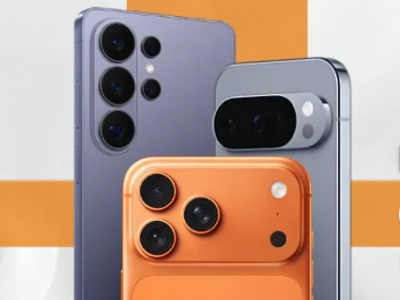
Camera phones are smartphones with built-in camera systems capable of capturing high-quality photos and videos. Modern camera phones feature multiple lenses, large sensors, and AI-powered processing that rival dedicated cameras for everyday photography. Choosing the right one depends on your budget, shooting style, and the features that matter most to you.
Picking the wrong camera phone is frustrating—especially when you realize too late that it struggles in low light or can't zoom without losing detail. With hundreds of models on the market, the specs can feel overwhelming, and one wrong choice can leave you stuck with a device that never quite captures the moments you care about.
In this guide, you'll learn exactly what makes a camera phone worth buying, which features to prioritize, and how to match the right phone to your shooting style. No jargon, no guesswork—just clear, practical advice to help you make a confident decision.
What Are Camera Phones?
Camera phones are mobile devices that combine a smartphone's communication and computing capabilities with one or more built-in digital cameras. Early camera phones, like the Sharp J-SH04 released in Japan in 2000, offered just 0.1 megapixels. Today's flagships—like the Samsung Galaxy S25 Ultra and the Apple iPhone 16 Pro Max—offer multi-lens systems with sensors exceeding 200 megapixels, 8K video recording, and computational photography powered by artificial intelligence.
The defining characteristic of a modern camera phone is that it does far more than simply capture an image. Advanced image signal processors (ISPs), dedicated AI chips, and sophisticated software work together to enhance colors, reduce noise, and optimize exposure in real time. The result is a device that fits in your pocket but performs like a capable imaging tool.
Why Does Camera Quality Matter in Smartphones?
For most people, a smartphone is the only camera they carry every day. According to a 2023 report by Statista, over 1.4 trillion photos are taken annually worldwide—and the vast majority are captured on smartphones, not dedicated cameras. This makes camera quality one of the most important factors in a purchasing decision.
Beyond casual snapshots, camera quality affects a wide range of everyday activities: video calls, content creation for social media, documenting travel, scanning documents, and even capturing memories at family events. A phone with a weak camera system means missed shots, blurry details, and washed-out colors that no filter can fully fix.
Strong camera performance also retains its value over time. Phones with better optics and larger sensors tend to handle software updates better, keeping image quality competitive for longer.
What Are the Best Camera Phone Features to Look For?
Not all camera specs translate directly to better photos. Here are the features that make the most meaningful difference:
Sensor Size
The image sensor is the most critical component in any camera system. Larger sensors capture more light, which leads to better low-light performance, reduced noise, and greater dynamic range. Flagship phones like the Google Pixel 9 Pro use larger sensors specifically to improve performance in challenging lighting conditions.
Aperture (f-stop)
A lower f-number (e.g., f/1.5 vs. f/2.8) means a wider aperture, which allows more light to hit the sensor. This is especially useful for indoor and nighttime photography. Look for a main lens aperture of f/1.8 or lower for the best low-light results.
Optical Image Stabilization (OIS)
OIS physically compensates for hand movement, reducing blur in photos and producing smoother video. This is a must-have feature if you shoot video frequently or take photos in motion.
AI and Computational Photography
AI-driven features like Night Mode, HDR processing, and scene detection significantly improve image quality without requiring any manual input. Google's Pixel series is particularly well-regarded for its AI-powered computational photography, routinely producing excellent results even on hardware that isn't the most powerful on paper.
Video Capabilities
Look for 4K video at 60fps as a baseline for smooth, high-resolution footage. Features like log color profiles, ProRes recording (available on iPhone Pro models), and cinematic video modes are worth considering if video is a priority.
Front Camera Quality
Often overlooked, the front camera matters for video calls, self-portraits, and content creation. Look for autofocus support and a resolution of at least 12MP on the front sensor.
Types of Camera Lenses in Phones: Wide, Ultra-Wide, Macro, and Telephoto
Most premium smartphones ship with a multi-lens system. Understanding what each lens does helps you evaluate whether a phone genuinely suits your needs.
Wide-Angle (Main) Lens
This is the primary camera—the one you'll use most often. It typically has the largest sensor and best optical performance. Wide-angle lenses cover a natural field of view, making them ideal for portraits, street photography, and everyday shots.
Ultra-Wide Lens
An ultra-wide lens captures a much broader field of view, typically around 120 degrees. It's useful for landscape photography, architecture, and group shots in tight spaces. The trade-off is some distortion at the edges, though software correction has improved significantly.
Telephoto Lens
Telephoto lenses allow optical zoom without degrading image quality. A 3x optical zoom is standard on mid-range flagships, while top-tier phones like the Samsung Galaxy S25 Ultra offer up to 10x optical zoom. Optical zoom is always preferable to digital zoom, which simply crops and enlarges the image, reducing quality.
Macro Lens
Macro lenses allow extreme close-up photography, capturing fine details like textures, insects, and small objects at distances as short as 2–3 centimeters. While macro lenses are a valuable creative tool, they tend to have lower resolution than the other lenses in a multi-camera system.
How to Choose the Best Camera Phone for Your Needs
The "best" camera phone is relative—it depends entirely on how you plan to use it. Here's a practical framework:
Consider your primary use case:
- Portrait photography → prioritize a wide-aperture main lens and strong portrait mode
- Travel and landscapes → look for a reliable ultra-wide and telephoto combo
- Video creation → prioritize OIS, 4K 60fps, and audio quality
- Low-light photography → focus on sensor size and Night Mode performance
Check independent reviews, not just specs. Sites like DxOMark provide standardized camera performance scores that make it easier to compare phones objectively.
Camera Phones vs. Professional Cameras: Which One Is Better?
Quick answer: For most everyday and social media photography, camera phones are more than capable. For professional commercial work, sports photography, or situations requiring extreme optical zoom and interchangeable lenses, dedicated cameras still hold a clear advantage.
Camera phones excel in convenience, speed, and connectivity. You always have one with you, and sharing a photo takes seconds. AI processing means you rarely need to edit manually. For travel, journalism, and content creation, modern flagship phones produce images that are genuinely publication-ready.
Dedicated cameras—DSLRs and mirrorless models—retain advantages in optical zoom range, sensor size for large-format printing, battery life during extended shoots, and the ability to swap lenses for highly specialized tasks. A professional wildlife photographer, for example, still needs a 600mm telephoto lens that no phone can replicate.
The practical takeaway: for 90% of use cases, a flagship camera phone is enough. The remaining 10% depends on your specific professional requirements.
The Bottom Line: Find a Camera Phone That Works for You
Camera phones have fundamentally changed what's possible with everyday photography. The gap between smartphone and dedicated camera continues to narrow, and for most people, a well-chosen camera phone is the only imaging device they'll ever need.
Focus on sensor size, aperture, OIS, and real-world performance reviews rather than megapixel counts alone. Match the phone's strengths to your shooting habits—and don't overlook mid-range options, which often offer exceptional value. The best camera is the one you have with you, and when it performs this well, that's a genuine advantage.
Frequently Asked Questions
What makes a phone camera good?
A good phone camera delivers sharp, detailed images with accurate colors across a range of lighting conditions. The key factors are sensor size, aperture width, optical image stabilization, and the quality of the phone's image processing software. Tip: prioritize sensor size and low-light performance over megapixel count—bigger sensors consistently outperform high-megapixel sensors in real-world conditions.
How many megapixels are good for a camera phone?
A camera phone with 12 to 50 megapixels is sufficient for most photography needs, including large prints and social media content. Higher megapixel counts (like 108MP or 200MP) offer more detail for cropping but don't automatically produce better photos. Tip: a 12MP phone with a large sensor and wide aperture will often outperform a 108MP phone with a smaller sensor in low-light situations.
Are camera phones better than DSLR cameras?
Camera phones are more convenient and perform comparably to DSLRs for everyday and social media photography, but DSLRs still outperform smartphones in optical zoom range, low-light performance at high ISO settings, and large-format print quality. Tip: if you need interchangeable lenses or shoot in highly specialized conditions—such as sports or wildlife photography—a DSLR or mirrorless camera remains the better tool.
Which features should I check before buying a camera phone?
Before buying, check sensor size, main lens aperture (look for f/1.8 or lower), optical image stabilization, zoom capabilities (optical, not digital), and video resolution. Tip: read independent camera reviews from sources like DxOMark or GSMArena to see how the phone performs in real-world tests rather than relying solely on manufacturer specifications.
Can camera phones take professional-quality photos?
Yes—modern flagship camera phones can produce professional-quality images for editorial, social media, and commercial use. Phones like the Apple iPhone 16 Pro and Samsung Galaxy S25 Ultra are already used by professional photographers and filmmakers. Tip: pairing a capable camera phone with basic knowledge of composition and lighting will close any remaining gap between smartphone and dedicated camera results.
