 Jul 19, 2026 - 0
Minutes read
Jul 19, 2026 - 0
Minutes read
Best Induction Cookers for Small Kitchens
Induction Cookers: Buying Guide, Benefits & Safety Tips
Induction Cookers: Complete Buying Guide, Benefits & Safety Tips
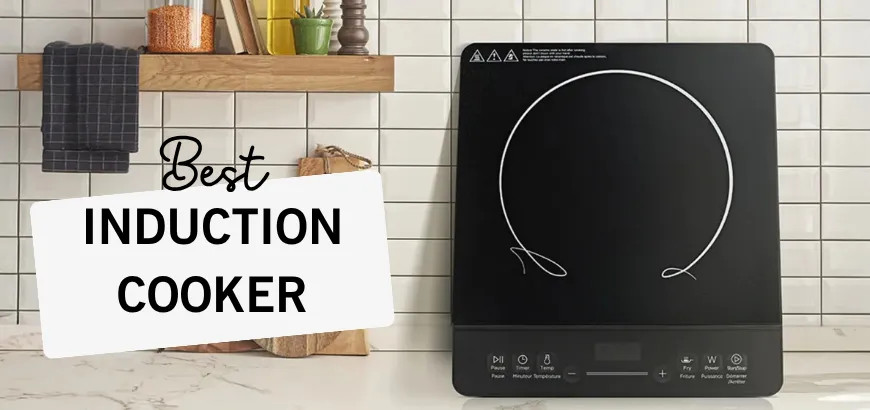
An induction cooker uses electromagnetic energy to heat cookware directly, making it faster, safer, and more energy-efficient than gas or traditional electric stoves. This guide covers how induction cookers work, key buying features, cookware compatibility, maintenance tips, and common problems—so you can make a confident purchase.
Choosing a new cooker feels simple—until you're standing in the kitchen aisle staring at a wall of options, unsure which technology actually suits your home, your budget, and your cooking style. Induction cookers have surged in popularity over the past decade, but plenty of buyers still hesitate, worried about compatibility, electricity costs, or whether the switch from gas is really worth it.
This guide answers every question you're likely to have. You'll learn exactly how induction cookers work, what features matter most, how they compare to gas and electric alternatives, and how to keep one running smoothly for years. Whether you're a first-time buyer or upgrading an older unit, you'll find clear, practical advice here.
What Is an Induction Cooker and How Does It Work?
An induction cooker generates heat through electromagnetic induction rather than an open flame or a glowing electric element. Beneath the glass-ceramic surface sits a copper coil. When electricity passes through that coil, it creates an oscillating magnetic field. Place a compatible pot or pan on the surface, and the magnetic field induces an electrical current directly within the cookware—which then generates heat inside the pan itself.
The cooktop surface stays relatively cool to the touch because the heat is produced in the cookware, not the burner. This is one of the biggest practical differences between induction and every other cooking method on the market.
What Are the Key Benefits of Using an Induction Cooker?
Induction cookers offer a compelling set of advantages that make them attractive for home cooks and professional kitchens alike.
Faster Cooking Times
Induction cookers heat cookware significantly faster than gas or electric alternatives. Water boils in roughly half the time compared to a standard electric stove, which translates to real time savings during busy weeknight cooking.
Superior Energy Efficiency
According to the U.S. Department of Energy, induction cooking is approximately 85–90% energy-efficient, compared to around 74% for smooth-top electric stoves and roughly 40% for gas burners. The difference comes down to where the heat goes—with induction, almost all of it goes directly into the food.
Precise Temperature Control
Induction cookers respond to temperature adjustments almost instantly, similar to gas. You can drop from a rolling boil to a gentle simmer in seconds, giving you the kind of control that makes a real difference when cooking sauces, chocolate, or delicate proteins.
Safer Cooking Surface
Because the cooktop itself doesn't get hot, the risk of accidental burns from touching the surface is dramatically reduced. There's no open flame, no exposed element, and most units automatically shut off when cookware is removed.
Easier Cleaning
Spills don't bake onto a cool surface the way they do on gas grates or electric coils. A quick wipe with a damp cloth is usually all it takes after cooking.
How to Choose the Best Induction Cooker for Your Home
Selecting the right induction cooker comes down to a few key decisions.
Portability vs. Built-in units: Portable single or double-burner induction cookers are affordable, flexible, and easy to store—ideal for renters or smaller households. Built-in induction cooktops offer a seamless kitchen aesthetic and are the better long-term investment for homeowners.
Number of cooking zones: Single-burner units suit light cooking or supplemental use. Two-burner models handle most everyday meals. Full four- or five-zone cooktops are designed for households that cook multiple dishes simultaneously.
Power output: Measured in watts, higher wattage means faster heating. Most portable units range from 1,200W to 2,000W. Built-in models can reach 3,700W per zone on premium models.
Budget: Entry-level portable induction cookers start around $30–$60. Mid-range built-in cooktops typically fall between $400 and $900. High-end models from brands like Bosch, Miele, or Samsung can exceed $1,500.
Choose a portable unit if flexibility and cost matter more than aesthetics. Choose a built-in cooktop if long-term kitchen integration and multi-zone cooking are the priority.
What Features Should You Look for Before Buying an Induction Cooker?
Not all induction cookers are built the same. Here are the features worth examining before you commit.
- Power levels: Look for at least 10 adjustable power settings to give you meaningful control over heat output.
- Boost or turbo mode: Delivers maximum power for rapid boiling—useful for pasta, soups, and large pots.
- Timer function: Automatically shuts off after a set duration, reducing the risk of overcooking or leaving the stove unattended.
- Child lock: Prevents accidental activation, a valuable safety feature for households with young children.
- Auto pan detection: The cooker only activates when compatible cookware is detected on the surface, saving energy and preventing accidental heating.
- Residual heat indicator: Alerts you when the surface is still warm even after cooking has stopped—an important safety reminder.
- Touch controls vs. knobs: Touch panels are easier to clean; knobs offer tactile feedback that some cooks prefer.
- Warranty: Look for a minimum one-year manufacturer warranty. Reputable brands typically offer two to five years.
Induction Cooker vs. Gas Stove vs. Electric Cooker: Which Is Better?
Each cooking method has genuine strengths. The right choice depends on your priorities.
Feature | Induction | Gas | Electric |
|---|---|---|---|
Heating speed | Fastest | Fast | Slowest |
Energy efficiency | 85–90% | ~40% | ~74% |
Temperature control | Excellent | Excellent | Moderate |
Safety | Highest | Lowest | Moderate |
Cookware compatibility | Magnetic only | Universal | Universal |
Running costs | Low | Varies with gas prices | Moderate |
Installation | Simple (electric outlet) | Requires gas line | Simple |
Choose induction if energy efficiency, safety, and easy cleaning are your top priorities. Choose gas if you cook with woks frequently, prefer visual flame control, or experience regular power outages. Choose electric if your existing cookware isn't induction-compatible and replacement isn't in the budget.
What Is the Best Cookware for Induction Cookers?
Induction cookers only work with magnetic cookware. If a magnet sticks to the bottom of your pan, it will work on an induction cooker. If it doesn't stick, it won't heat.
Compatible materials:
- Cast iron
- Magnetic stainless steel (look for an induction symbol on the base)
- Enameled cast iron
Incompatible materials:
- Aluminum (unless it has a magnetic base layer)
- Copper
- Glass or ceramic
- Non-magnetic stainless steel
Most modern cookware sets explicitly label induction compatibility. When buying new pots and pans, look for the coiled spring symbol that indicates induction readiness. Flat-bottomed cookware works best—warped or rounded bases reduce contact with the surface and result in uneven heating.
How Should You Use and Maintain an Induction Cooker?
Using an induction cooker correctly extends its lifespan and keeps performance consistent.
During use:
- Always center cookware over the cooking zone.
- Avoid dragging pots across the glass surface, as this can cause scratching.
- Don't place empty cookware on an active burner for extended periods—it can damage both the pan and the cooktop.
- Keep the surface dry; moisture can interfere with sensor accuracy on some models.
Cleaning and maintenance:
- Wipe down the surface after every use with a soft, damp cloth once it has cooled.
- For stubborn residue, use a ceramic cooktop cleaner and a non-abrasive pad specifically designed for glass surfaces.
- Never use steel wool, scouring pads, or harsh chemical cleaners—these scratch the glass and damage the finish.
- Check the ventilation slots (usually on the underside or rear) regularly and clear any dust or debris that accumulates. Blocked ventilation causes overheating.
What Are Common Induction Cooker Problems and How Do You Fix Them?
Even reliable induction cookers run into occasional issues. Here's what to look for and how to respond.
Cooker not heating: The most common cause is incompatible cookware. Test with a magnet. If the pan is compatible, check that it's centered correctly on the zone and that the unit is receiving full power.
Error codes on the display: Most brands include an error code guide in the manual. Common codes indicate overheating, incompatible cookware, or a sensor fault. Overheating usually resolves after a few minutes of rest with the unit powered off.
Clicking or buzzing noise: A light hum is normal during operation due to the electromagnetic field. Loud buzzing often comes from cookware with a multi-layer base vibrating at certain power levels. Try a different pan or reduce the power setting.
Surface scratches: Minor scratches are cosmetic and don't affect performance. Deep scratches near cooking zones should be assessed by a technician, as they can compromise the integrity of the glass.
Unit shutting off automatically: Most induction cookers have thermal protection that cuts power if the unit overheats. Ensure ventilation slots aren't blocked and that the cooker has adequate clearance on all sides.
Making the Switch: Is an Induction Cooker Right for You?
Induction cookers deliver genuine, measurable advantages—faster heating, lower energy consumption, safer surfaces, and effortless cleaning. For most households, the switch from gas or electric makes practical and financial sense over the long term, particularly as electricity grids increasingly draw from renewable sources.
The upfront investment is slightly higher than a comparable gas or electric stove, and cookware replacement may add to initial costs if your existing pots and pans aren't magnetic. But for households that cook regularly, the efficiency gains typically offset those costs within a few years.
If you're still undecided, start with a portable induction cooker. Use it alongside your existing stove for a few weeks. Once you've experienced the speed and control firsthand, the decision usually makes itself.
Frequently Asked Questions
Are induction cookers energy-efficient?
Yes—induction cookers are among the most energy-efficient cooking methods available. According to the U.S. Department of Energy, induction cooking converts approximately 85–90% of electrical energy into heat, compared to around 40% for gas burners. To get the most out of your unit, use flat-bottomed cookware that covers the full cooking zone, and keep the surface clean for optimal contact.
Can I use normal cookware on an induction cooker?
Only if your cookware is magnetic. Test it by holding a magnet to the base of your pot or pan—if it sticks firmly, the cookware is compatible. Cast iron and magnetic stainless steel work well. Aluminum, copper, and non-magnetic stainless steel do not, unless they have a specially designed magnetic base layer.
Are induction cookers safe to use?
Yes—induction cookers are generally considered the safest cooking method available. The cooktop surface doesn't generate its own heat, so accidental burns from touching the glass are far less likely. There's no open flame and no combustion gases. Most models also include automatic shutoff when cookware is removed and child lock functions for added protection.
How much electricity does an induction cooker consume?
It depends on the model and how frequently it's used. A typical portable induction cooker uses around 1,200–2,000 watts per hour at full power. A 2,000W unit running for one hour consumes 2 kWh of electricity. In practice, induction cookers reach target temperatures faster than gas or electric alternatives, so total energy used per meal is often lower despite the higher wattage.
What size induction cooker should I buy?
Choose based on your household size and cooking habits. A single-burner portable unit suits individuals or couples who cook simple meals. A two-burner portable model handles most everyday cooking for small families. A four- or five-zone built-in cooktop is the right choice for larger households or anyone who regularly prepares multiple dishes at once. If you're upgrading a kitchen, match the cooktop width to your existing cabinetry cutout to simplify installation.
