 Jul 02, 2026 - 0
Minutes read
Jul 02, 2026 - 0
Minutes read
Buying Guide: How to Choose The Best Fridge in Bangladesh in 2026
How to Choose the Right Refrigerator for Your Home
Best Fridge: How to Choose the Right Refrigerator for Your Home
The best fridge depends on your household size, kitchen layout, and budget. French door and side-by-side models suit larger families, while single or double door fridges work well for smaller homes. Key factors include energy efficiency, storage capacity, and cooling technology.
Picking the wrong refrigerator can mean wasted food, high electricity bills, and a kitchen that just doesn't work the way it should. It's one of those purchases that affects your daily life more than most people expect—and getting it wrong is an expensive mistake to fix.
This guide will walk you through everything you need to know before buying: the different fridge types, must-have features, the best options for different households, and how to keep your fridge running efficiently for years to come.
Why Choosing the Best Fridge Is Important
A refrigerator runs 24 hours a day, 365 days a year. That makes it one of the most energy-consuming appliances in any home—accounting for roughly 8% of household electricity use, according to the U.S. Energy Information Administration. Choose a well-matched, energy-efficient model, and you could save significantly on your utility bills over the appliance's 10–15 year lifespan.
Beyond cost, the right fridge also reduces food waste. A model with inconsistent cooling or insufficient space leads to spoiled produce, overcrowded shelves, and unnecessary grocery spending. On the flip side, a fridge that's too large for your household wastes energy cooling empty space.
There's also the matter of convenience. The layout of your fridge—where the freezer sits, how the shelves are configured, whether there's a water dispenser—directly shapes your daily routine. Choosing wisely upfront means fewer frustrations down the line.
Types of Fridges: Single Door, Double Door, Side-by-Side, and French Door
Understanding fridge types is the first step toward making the right choice. Each design suits a different lifestyle and kitchen layout.
What is a single door fridge, and who is it best for?
A single door fridge combines the refrigerator and a small freezer compartment inside one door. These are compact, affordable, and energy-efficient—ideal for singles, couples, or small apartments with limited kitchen space. Storage capacity typically ranges from 50 to 200 liters.
What is a double door fridge, and what are its advantages?
A double door fridge (also called a top-freezer or bottom-freezer fridge) separates the refrigerator and freezer into two distinct compartments. The bottom-freezer variant is particularly popular because it places everyday fresh food at eye level, reducing the need to bend down frequently. Capacity ranges from 200 to 400 liters, making it suitable for small to medium families.
How does a side-by-side fridge compare to other types?
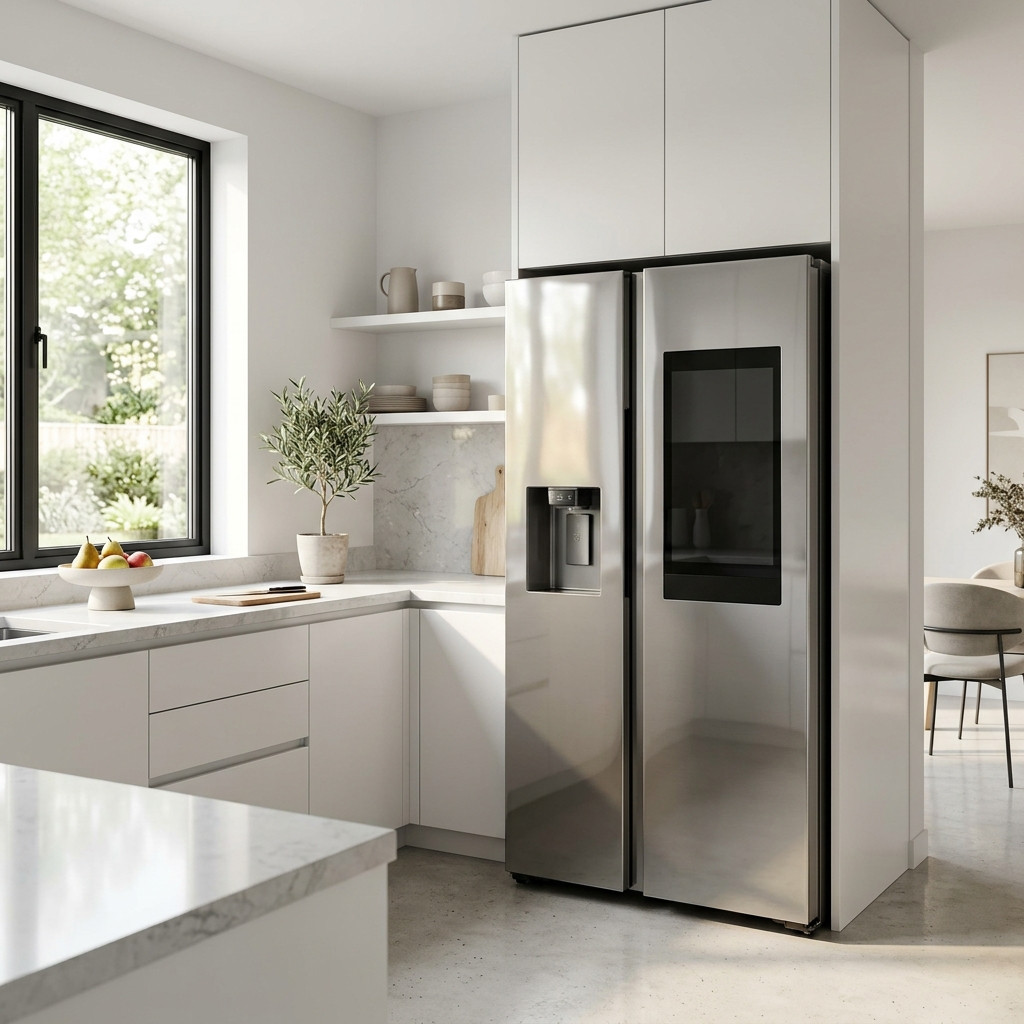
Side-by-side fridges split the refrigerator and freezer vertically, giving you full-length access to both sections. They're well-suited to kitchens with limited door-swing space and work well for households that use the freezer heavily. However, each individual shelf tends to be narrower, which can make storing wide items like pizza boxes or large platters tricky.
Is a French door fridge worth the higher price?
French door fridges feature two side-by-side doors for the refrigerator section and a pull-out freezer drawer at the bottom. They offer the widest storage space, the most organizational flexibility, and a premium aesthetic. For large families or those who cook frequently, the investment often pays off. Prices typically start at $1,200 and can exceed $3,000 for models with smart features and built-in dispensers.
Key Features to Look for in the Best Fridge
Once you've identified the right type, these features will help you narrow down your options further.
Energy efficiency ratings
Look for the ENERGY STAR certification, which indicates a fridge meets strict efficiency guidelines set by the U.S. Environmental Protection Agency. ENERGY STAR-certified refrigerators use at least 15% less energy than the federal minimum standard, translating to real savings over time.
Cooling technology: single vs. dual evaporator
Standard fridges use a single evaporator to cool both the fridge and freezer compartments. Dual evaporator systems—found in higher-end models—cool each section independently, maintaining better humidity levels and preventing freezer odors from transferring to fresh food. This matters most if you store a lot of produce or aromatic foods.
Storage capacity and adjustable shelving
As a general rule, plan for 4–6 cubic feet of refrigerator space per adult in the household. Adjustable shelves, door bins, and dedicated crisper drawers add significant flexibility, allowing the fridge to adapt as your storage needs change.
Frost-free vs. manual defrost
Frost-free models automatically defrost the freezer, eliminating the need for manual defrosting sessions. Most modern fridges include this feature, but it's worth confirming—especially in budget models.
Smart features and connectivity
Higher-end fridges now offer Wi-Fi connectivity, internal cameras (so you can check the contents from your phone at the grocery store), and app-based temperature controls. While not essential, these features add meaningful convenience for tech-forward households.
Best Fridge for Different Needs: Small Family, Large Family, Budget, and Energy Saving
What is the best fridge for a small family of 2–3 people?
A 250–350 liter double door fridge (bottom-freezer configuration) is typically the sweet spot for small families. It offers enough space for weekly grocery runs without overcooling empty shelves. Models from brands like LG, Whirlpool, and Samsung in this range consistently receive strong reviews for reliability and efficiency.
What is the best fridge for a large family of 4 or more?
Large families need at least 400–600 liters of capacity. A French door fridge or a large side-by-side model handles bulk grocery shopping with ease. Prioritize models with multiple crisper drawers and flexible shelf configurations. Samsung's Bespoke French Door series and LG's InstaView line are well-regarded options in this category.
What is the best budget fridge under $600?
For buyers on a tighter budget, a double door top-freezer fridge delivers the best value. The Frigidaire FFTR1814WB and Whirlpool WRT311FZDW are consistently cited as reliable, affordable options. Avoid sacrificing the ENERGY STAR certification even on a budget—the long-term electricity savings more than offset the small upfront premium.
What is the most energy-efficient fridge available?
ENERGY STAR-certified fridges are the baseline. For maximum efficiency, look for models with inverter compressor technology, which adjusts the compressor speed based on cooling demand rather than running at full power constantly. LG's Linear Compressor and Samsung's Digital Inverter Compressor are two well-known implementations of this technology.
How to Maintain Your Fridge for Long-Lasting Performance
Buying the right fridge is only part of the equation. Regular maintenance extends its lifespan and keeps it running efficiently.
Clean the condenser coils every 6–12 months. Dust buildup on the coils forces the compressor to work harder, increasing energy use and accelerating wear. The coils are typically located at the back or beneath the unit and can be cleaned with a vacuum or coil brush.
Check the door seals regularly. A worn or damaged door gasket allows cold air to escape, making the fridge work harder to maintain temperature. Test the seal by closing the door on a piece of paper—if it slides out easily, the seal needs replacing.
Set the right temperatures. The FDA recommends keeping your refrigerator at or below 40°F (4°C) and your freezer at 0°F (-18°C). Temperatures outside these ranges either compromise food safety or waste energy.
Don't overfill or underfill. A fridge that's too packed restricts airflow and leads to uneven cooling. One that's too empty loses cold air rapidly every time the door is opened. Aim to keep it about two-thirds full for optimal performance.
Defrost when needed. Even with frost-free models, the freezer can benefit from an occasional manual check. Ice buildup exceeding a quarter inch reduces efficiency noticeably.
Making the Right Call: Your Next Step
Choosing the best fridge comes down to matching the appliance to your household's specific needs—not buying the biggest model you can fit or defaulting to the cheapest option available. A well-chosen refrigerator saves money, reduces food waste, and works quietly in the background of daily life for over a decade.
Use the type and feature breakdowns in this guide to create a shortlist, then compare models within your budget using ENERGY STAR ratings and user reviews. If possible, measure your kitchen space carefully before finalizing—including door clearance and ventilation room on the sides and back.
The right fridge is out there. Now you know exactly what to look for.
Frequently Asked Questions
What is the best fridge for home use?
The best fridge for home use depends on your household size and kitchen layout. For most families, a bottom-freezer double door or French door fridge with an ENERGY STAR rating offers the best balance of storage, efficiency, and convenience. Prioritize adjustable shelving and an inverter compressor for long-term reliability.
Which fridge is best for a small family?
A double door bottom-freezer fridge with 250–350 liters of capacity is the best fit for a small family of 2–3 people. It provides enough room for weekly groceries without wasting energy on unused space. Look for models with dedicated crisper drawers to keep produce fresh longer.
Is a double door fridge better than a single door fridge?
Yes, for most households—a double door fridge offers more storage, better organization, and improved energy efficiency compared to a single door model. Single door fridges are best suited for individuals or couples with limited kitchen space. If your household regularly stocks a week's worth of groceries, a double door model is the more practical choice.
What fridge size should I buy?
A general guideline is 4–6 cubic feet of refrigerator space per person in the household. A family of four typically needs 18–24 cubic feet (approximately 510–680 liters) in total capacity. Always measure your kitchen space first and account for door swing and ventilation clearance before purchasing.
How can I make my fridge last longer?
Clean the condenser coils every 6–12 months, check door seals regularly, and maintain recommended temperatures (40°F for the fridge, 0°F for the freezer). Avoid overloading the shelves, which restricts airflow and forces the compressor to work harder. With proper care, most refrigerators last 12–15 years.