 Jul 05, 2026 - 0
Minutes read
Jul 05, 2026 - 0
Minutes read
iPhone 17e: Release Date, Features, Price & Everything You Need to Know
Apple Launches iPhone 17e: More Storage, More Power, Same Price
iPhone 17e: Release Date, Features, Price & Everything You Need to Know
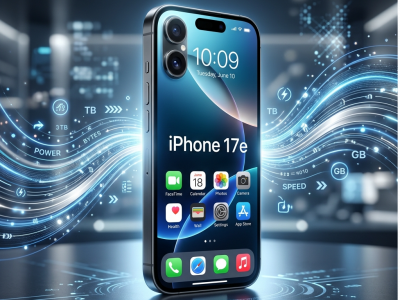
The iPhone 17e is Apple's upcoming budget-friendly smartphone, expected to launch in early 2025. It's designed to offer flagship-level performance—powered by Apple's A-series chip—at a more accessible price point, making it Apple's most affordable entry into its 2025 iPhone lineup.

Choosing a new iPhone shouldn't feel overwhelming—but with so many models on the market, it's easy to worry about picking the wrong one. The iPhone 17e has been generating serious buzz as Apple's attempt to deliver premium performance without the premium price tag, and that's a combination worth paying attention to.
In this post, you'll find everything currently known about the iPhone 17e: its expected design, performance specs, price, and how it stacks up against other models. Whether you're deciding whether to wait or buy now, this guide will help you make a confident, informed choice.
What Is the iPhone 17e?
The iPhone 17e is Apple's anticipated successor to the iPhone 16e (formerly known as the iPhone SE 4), sitting at the more affordable end of Apple's 2025 smartphone lineup. The "e" in the name stands for "essential"—a rebranding that Apple introduced with the 16e to signal a shift away from the older SE identity toward a more modern, mainstream design language.
Unlike the SE series, which often recycled older designs and chips, the iPhone 17e is expected to bring genuinely current hardware to a lower price point. Apple's goal with this line is straightforward: give everyday users access to a capable, reliable iPhone without requiring them to spend over $1,000.
For buyers who don't need every cutting-edge feature but still want a fast, secure, and well-supported device, the iPhone 17e could be the most practical iPhone Apple has ever made.
What Is the Expected Design and Display of the iPhone 17e?
Based on current leaks and reports, the iPhone 17e is expected to follow the modern design language introduced with the iPhone 16e—meaning a full-screen OLED display with a notch or Dynamic Island cutout, replacing the outdated thick-bezeled design of earlier SE models.
How Big Will the iPhone 17e Screen Be?
The display is expected to measure approximately 6.1 inches, bringing it in line with the standard iPhone 17. An OLED panel would deliver sharp contrast, vivid colors, and strong outdoor visibility. While a ProMotion 120Hz refresh rate is unlikely at this price tier, a 60Hz OLED screen would still represent a meaningful upgrade for users coming from older iPhones.
Will the iPhone 17e Have Face ID?
Yes—Face ID is expected to replace the Touch ID home button that appeared on earlier SE models. This aligns with Apple's broader push to standardize Face ID across its lineup and gives the 17e a much more modern feel.
What Colors Will the iPhone 17e Come In?
Specific color options haven't been confirmed, but Apple typically offers its essential-tier iPhones in a small, clean selection of neutral tones. Expect somewhere between three and five options at launch.
iPhone 17e Performance: What Chipset, Battery, Camera, and Storage Can You Expect?
Which Chip Will Power the iPhone 17e?
The iPhone 17e is widely expected to feature Apple's A16 Bionic chip—the same processor that powered the iPhone 14 Pro—or potentially the A17 chip depending on supply chain availability. Either way, this would make the 17e significantly faster than any Android phone in the same price range and more than capable of handling demanding apps, gaming, and multitasking with ease.
Apple's chips are also closely tied to longevity. A device running an A16 or A17 chip in 2025 will likely receive iOS software updates well into the 2030s, making the iPhone 17e a smart long-term investment.
What Battery Life Should You Expect from the iPhone 17e?
Battery life has historically been a weak point for the SE line, but the 17e is expected to feature a larger battery than its predecessors—potentially in the 3,200–3,500 mAh range. Apple doesn't publish mAh figures officially, but based on device size and comparable models, all-day battery life appears achievable. Fast charging and MagSafe wireless charging are also anticipated.
What Camera System Will the iPhone 17e Have?
The iPhone 17e is expected to feature a single rear camera—likely a 48MP main sensor based on what Apple introduced with the iPhone 16e. While it won't match the dual or triple-lens setups on the iPhone 17 Pro lineup, a 48MP sensor with Apple's computational photography software produces genuinely impressive photos in most lighting conditions.
The front camera is expected to support Face ID and shoot high-quality selfies and video, though specific megapixel counts haven't been officially confirmed.
How Much Storage Will the iPhone 17e Offer?
Storage options are expected to start at 128GB, with a 256GB tier likely available. Apple quietly retired 64GB base storage across its lineup, so even the entry-level 17e should give users plenty of room for apps, photos, and offline content.
iPhone 17e Price and Availability: When and Where Can You Buy It?
How Much Will the iPhone 17e Cost?
The iPhone 17e is expected to be priced at approximately $499 to $599 USD. This would position it as the most affordable new iPhone in Apple's 2025 lineup and a direct competitor to mid-range Android flagships from Samsung and Google.
Apple has not officially confirmed pricing, so these figures are based on analyst reports and supply chain leaks as of mid-2025.
When Will the iPhone 17e Be Released?
Apple has not announced an official release date for the iPhone 17e. Based on the iPhone 16e's release in February 2025 and Apple's general release cadence for its essential-tier models, the iPhone 17e could launch in early-to-mid 2026. However, some reports suggest Apple may adjust its timeline depending on market demand.
Where Will the iPhone 17e Be Available?
The iPhone 17e is expected to be available globally through Apple's website, Apple Store locations, and authorized carriers and retailers. Availability in specific regions will depend on local carrier agreements.
iPhone 17e vs. Other iPhone Models: Which One Should You Buy?
Picking the right iPhone comes down to what you prioritize—price, features, or longevity.
Choose the iPhone 17e if budget is your primary concern and you want a modern, capable iPhone with Apple's latest chip and software support. The 17e makes the most sense for first-time iPhone buyers, students, or anyone upgrading from an older SE or base-model iPhone.
Choose the iPhone 17 (standard) if you want a larger display, a better camera system, and are willing to spend $200–$300 more. The standard iPhone 17 is expected to feature dual cameras, a brighter display, and a longer battery life.
Choose the iPhone 17 Pro or Pro Max if you want the absolute best Apple has to offer—ProMotion display, triple-camera system, titanium build, and all the premium extras. These models are aimed at power users, photographers, and professionals.
The iPhone 17e won't be the most powerful iPhone of 2025. But for users who want a reliable, fast, and future-proofed device at a fair price, it may be the most sensible choice Apple has made in years.
The iPhone 17e Is Worth the Wait
Apple has quietly been building toward a better budget iPhone for years. The iPhone 17e looks set to be the most compelling version yet—modern design, a powerful chip, a capable camera, and long software support, all at a price that doesn't require a payment plan to manage.
If you're not in urgent need of a new phone, waiting for the iPhone 17e could save you hundreds of dollars without meaningfully compromising on quality. And if you need a phone now, the iPhone 16e offers most of the same benefits at a similar price point.
Either way, Apple's essential iPhone lineup has never looked this good.
Frequently Asked Questions
What is the iPhone 17e?
The iPhone 17e is Apple's upcoming budget-friendly iPhone, designed to offer modern features—like a powerful chip, OLED display, and Face ID—at a more accessible price point than the standard iPhone 17 lineup. The "e" stands for "essential," reflecting Apple's focus on giving everyday users a capable, no-compromise smartphone without unnecessary extras.
Is the iPhone 17e officially released?
No, the iPhone 17e has not been officially released or announced by Apple as of mid-2025. All current information is based on leaks, analyst reports, and Apple's established release patterns. Check Apple's official website (apple.com) for confirmed announcements.
What will be the price of the iPhone 17e?
The iPhone 17e is expected to be priced between $499 and $599 USD, based on current analyst estimates. Apple hasn't confirmed pricing yet, so treat these figures as informed estimates rather than guarantees. When comparing options, factor in storage tiers—the 256GB model will cost more than the base 128GB version.
What features can we expect in the iPhone 17e?
The iPhone 17e is expected to include an OLED display, Face ID, a 48MP rear camera, Apple's A16 or A17 Bionic chip, 128GB base storage, and MagSafe charging support. These features make it significantly more capable than earlier SE models and competitive with mid-range Android alternatives at a similar price.
Should I wait for the iPhone 17e or buy another iPhone now?
If you can wait until early-to-mid 2026, the iPhone 17e is likely worth it—especially if budget is a priority. However, if you need a phone soon, the iPhone 16e offers a very similar experience at a comparable price and is available now. Only consider the standard iPhone 17 or higher if you need a better camera system or larger display.
iPhone 17e: Release Date, Price & Features
