 Jul 20, 2026 - 0
Minutes read
Jul 20, 2026 - 0
Minutes read
What Is VR? How Virtual Reality Works, Uses, Benefits, and Future
VR will be part of Our Future Life, Here’s How
Discover what virtual reality is, how VR technology works, its types, real-world uses in gaming, healthcare, and education, plus benefits, risks, and future trends.
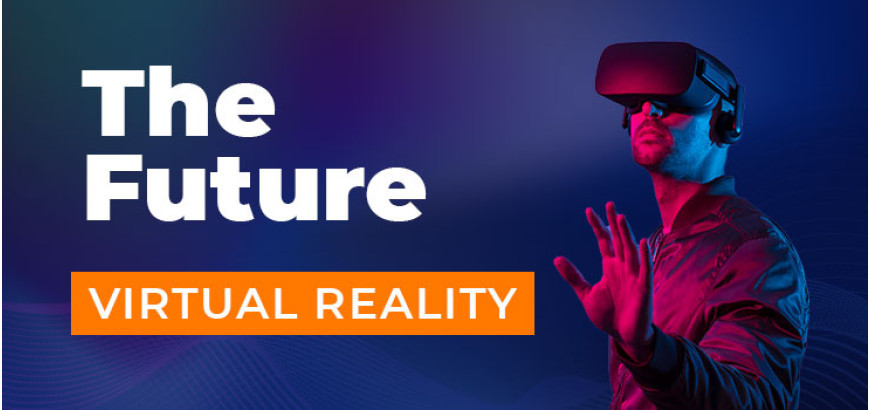
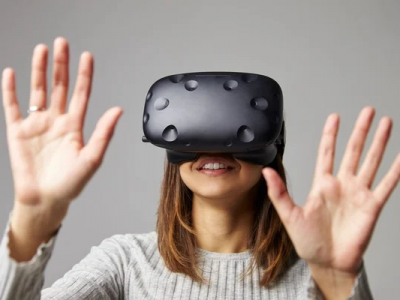
Virtual reality (VR) is a technology that uses headsets and motion tracking to immerse users in a fully digital, three-dimensional environment. It's used across gaming, healthcare, education, and business training. Modern VR systems range from standalone headsets to PC-powered devices, with costs starting under $300.
Stepping into a virtual world sounds exciting—but it can also raise a lot of questions. How does it actually work? Is it safe? Do you need an expensive computer to use it? These are fair concerns, especially as VR moves beyond gaming into schools, hospitals, and offices.
This guide breaks it all down. You'll learn exactly what VR is, how the technology works, the different types available, and where VR is being used today. Safety, limitations, and what the future holds are all covered too—so by the end, you'll have a clear, confident understanding of virtual reality and whether it's right for you.
What Is Virtual Reality (VR)?
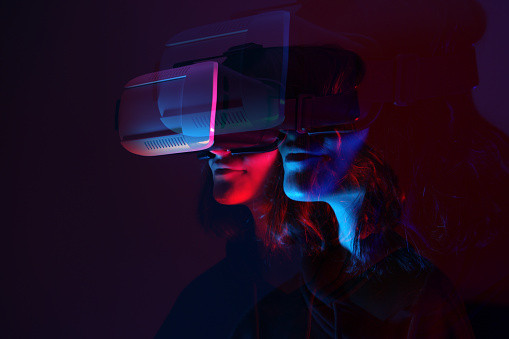
Virtual reality is a computer-generated simulation that places users inside a three-dimensional, interactive environment. Unlike watching a video or looking at a screen, VR responds to your movements in real time—when you turn your head, the virtual world moves with you.
The term "virtual reality" was popularized in the late 1980s by computer scientist Jaron Lanier, who founded VPL Research, one of the first companies to sell VR goggles and gloves. Decades later, the technology has matured dramatically, and VR headsets are now consumer products used by millions of people worldwide.
At its core, VR works by tricking the brain. By displaying slightly different images to each eye and tracking head movements with precision sensors, VR creates a powerful illusion of presence—the feeling of actually being somewhere else.
How Does Virtual Reality Work?
VR systems combine several technologies to create that sense of presence:
Head-Mounted Displays (HMDs): The headset contains two small screens—one for each eye—that display a stereoscopic image. This dual-image setup mimics how human eyes naturally perceive depth and distance.
Motion tracking: Sensors inside the headset (and sometimes external cameras) track your head position and orientation. This data updates the visuals in real time, typically at 90 frames per second or higher, to prevent lag and motion sickness.
Controllers and haptic feedback: Hand controllers let you interact with the virtual environment. Higher-end systems include haptic feedback—vibrations that simulate the sensation of touching or holding virtual objects.
Audio: Spatial audio technology adjusts sound based on where you're looking, reinforcing the illusion that sound is coming from specific directions within the virtual space.
Processing power ties all of this together. Some headsets rely on a connected PC or gaming console, while standalone headsets (like the Meta Quest series) have built-in processors that handle everything independently.
Types of Virtual Reality: Non-Immersive, Semi-Immersive, and Fully Immersive
Not all VR experiences are created equal. The level of immersion varies significantly depending on the hardware and software involved.
What is non-immersive VR?
Non-immersive VR refers to virtual environments experienced through a standard screen—a computer monitor or TV—without a headset. Video games like The Sims or Microsoft Flight Simulator are common examples. You interact with the virtual world, but you're never fully inside it.
What is semi-immersive VR?
Semi-immersive VR offers a deeper experience, typically through large projected screens or high-resolution displays that surround the user. Flight simulators used in pilot training are a well-known example. Users can move through the environment to a degree, but physical immersion is limited.
What is fully immersive VR?
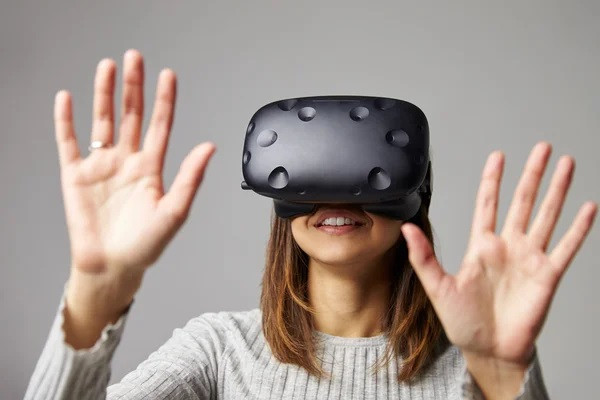
Fully immersive VR is what most people picture when they hear the term. It uses a head-mounted display and motion controllers to place the user completely inside a virtual environment. Everything in the user's field of view is part of the simulation, and movements in the real world translate directly into the virtual space.
Popular fully immersive headsets include the Meta Quest 3, Sony PlayStation VR2, and Apple Vision Pro.
Common Uses of VR in Gaming, Education, Healthcare, and Business
How is VR used in gaming?
Gaming remains VR's largest consumer market. Titles like Beat Saber, Half-Life: Alyx, and Resident Evil Village have demonstrated how VR can transform gameplay into a fully physical, spatial experience. According to Statista, the global VR gaming market was valued at approximately $7.7 billion in 2022 and is projected to grow significantly through the decade.
How is VR used in education?
VR enables students to explore environments that are otherwise inaccessible—ancient Rome, the surface of Mars, or the inside of a human cell. A 2019 study by PwC found that VR learners completed training four times faster than classroom learners and were 275% more confident applying what they learned. Schools and universities are increasingly adopting VR to support hands-on learning without physical risk.
How is VR used in healthcare?
Medical VR applications are among the most impactful. Surgeons use VR simulations to practice complex procedures before operating on real patients. Hospitals use VR for pain management during wound care and chemotherapy, with research published in the journal PLOS ONE showing that VR reduced pain perception by up to 24%. VR exposure therapy is also used to treat PTSD, phobias, and anxiety disorders.
How is VR used in business and training?
Companies including Walmart, Boeing, and UPS use VR to train employees in high-stakes scenarios without real-world consequences. Walmart trained over one million employees using VR before the COVID-19 pandemic—covering everything from customer service to safety protocols. Architectural firms use VR for virtual walkthroughs of buildings that haven't been built yet, and real estate agents offer virtual property tours to remote buyers.
Benefits and Limitations of Virtual Reality
What are the main benefits of VR?
Immersive learning: VR creates experiential learning that's difficult to replicate in a classroom or on a screen. Retention rates are higher when learners are actively engaged.
Safe simulation: High-risk training—whether for surgeons, pilots, or emergency responders—can be conducted in a zero-risk environment.
Accessibility: VR can bring experiences to people who are physically unable to travel or participate in certain activities, from virtual museum tours to remote collaboration in virtual offices.
Therapeutic applications: VR therapy is an evidence-backed approach for treating anxiety, PTSD, chronic pain, and phobias, offering a controlled environment for exposure therapy.
What are the limitations and risks of VR?
Cost: High-quality headsets range from $300 for standalone devices to over $3,500 for the Apple Vision Pro. PC-powered systems require additional hardware investment.
Motion sickness: A significant portion of users experience VR-induced motion sickness, particularly during fast-moving experiences. This occurs when visual motion doesn't match physical sensation. Developers reduce this through higher frame rates and comfort settings, but it remains a barrier for some users.
Physical discomfort: Extended headset use can cause eye strain, headaches, and neck fatigue. Most manufacturers recommend sessions of 30 minutes or less for new users.
Content limitations: Outside of gaming, the VR content library is still developing. Many enterprise and educational applications are purpose-built and expensive to produce.
Social isolation: VR is often a solo experience, which raises concerns about its effect on social behavior and screen time, particularly among children.
The Road Ahead for Virtual Reality
VR is no longer a niche technology reserved for enthusiasts. It's being woven into healthcare, education, workforce training, and entertainment at a pace that was difficult to predict even five years ago.
The next phase of growth will likely be shaped by improvements in display resolution, battery life, and miniaturization—making headsets lighter, more comfortable, and more affordable. The integration of AI into VR environments is already beginning, enabling more responsive and realistic virtual characters and scenarios.
The line between the physical and digital world is narrowing. As VR hardware becomes as familiar as a smartphone, the more relevant question won't be "What is VR?"—it'll be "What can't VR do?"
Frequently Asked Questions
What equipment is needed to use VR?
At minimum, you need a VR headset to get started. Standalone headsets like the Meta Quest 3 include everything built-in—no PC or console required. For higher-end experiences, a PC-powered headset (such as the Valve Index) requires a compatible gaming computer. Controllers are typically included with the headset, and some systems benefit from external sensors for more precise tracking.
Is VR safe for everyday use?
VR is generally safe for most adults, but daily extended use is not recommended without breaks. Common side effects include eye strain, headaches, and motion sickness, particularly in new users. Most manufacturers suggest limiting sessions to 30 minutes at a time, especially for children. Those with epilepsy, heart conditions, or inner ear disorders should consult a doctor before using VR regularly.
Can VR work without a computer?
Yes—standalone VR headsets work completely without a PC or console. The Meta Quest 3, for example, has an onboard processor and runs apps and games independently. These standalone devices are the most accessible option for everyday consumers. PC-powered headsets offer higher visual fidelity but require a capable computer to function.
What is the difference between VR, AR, and MR?
Virtual reality (VR) replaces your entire view with a digital environment. Augmented reality (AR) overlays digital content onto the real world—think Pokémon Go or Apple's ARKit apps. Mixed reality (MR) blends both: digital objects appear and interact with real-world surfaces, as seen in the Microsoft HoloLens. VR offers the deepest immersion, while AR and MR keep the user grounded in their physical surroundings.
What is the future of virtual reality?
The future of VR points toward lighter, more affordable hardware, richer content libraries, and deeper integration with AI and the internet. Meta, Apple, Sony, and Google are all investing heavily in spatial computing platforms. Industry analysts at IDC project that worldwide spending on AR and VR will reach $160 billion by 2027. Social VR platforms, virtual workplaces, and AI-driven simulations are expected to be major growth areas.
